
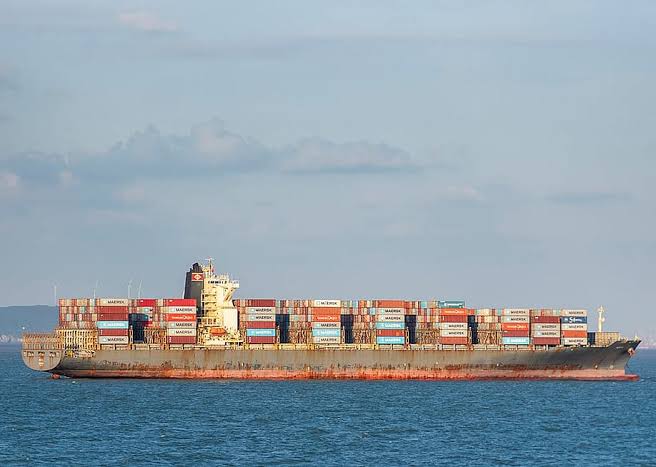
Back-to-School 2027 puts a fixed date on a flexible shipping plan: retailers and FBA warehouses want school supplies, apparel, stationery, drinkware and related goods on shelves by August, which means the ocean booking has to be solved weeks before that shelf date.
This guide works through realistic China to USA ocean freight lead times for the 2027 school season, how to count backward from an August arrival, and the receiving and space issues that commonly derail a back-to-school shipment.
The lead-time windows below are planning estimates based on prior-year patterns for the August school season; your final schedule depends on the specific sailing, the destination ZIP, warehouse appointment lead times and current lane conditions. Confirm the schedule and cut-off with your forwarder for the week you target.
What Back-to-School means for ocean freight
The school season is a defined promotion window rather than an all-year sell-through window. Retailers plan back-to-school displays for late July and August, and once those shelves are set, late stock loses most of its season’s value; a carton that arrives in September competes for clearance space instead of the promotion floor. For marketplace sellers, the pressure is similar: FBA inbound inventory needs to be received and sellable before the search season peaks, and Amazon appointment windows can push the timeline out further than a rough estimate suggests.
The cargo itself spans small-parcel-friendly LCL programs and larger FCL replenishments, and the routing question usually comes down to whether the goods feed a West Coast warehouse, an East Coast warehouse or an inbound FBA center across the country. The lead-time ranges below are the ocean baseline; add origin consolidation, customs processing and the final delivery leg to reach the warehouse date.
Realistic lead times by routing
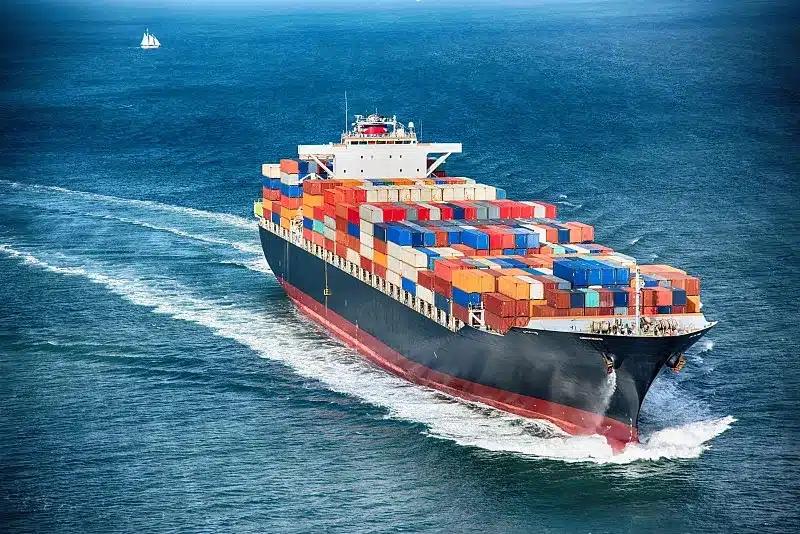
The baseline splits by coast and mode. West Coast sailings to LA/Long Beach or Oakland run FCL about 13–21 days port to port and LCL about 20–30; the fastest direct services reach the West Coast in roughly 10–13 days. East Coast routing to NY/NJ or Savannah moves through the Panama Canal: FCL about 25–35 days and LCL about 32–45, about 10–15 days more than the West Coast. Door-to-door movement typically runs 30–50 days, and LCL adds roughly 3–7 days over FCL.
| Enrutamiento | FCL de puerto a puerto | LCL de puerto a puerto | Door-to-door typical |
|---|---|---|---|
| Costa Oeste (Los Ángeles/Long Beach, Oakland) | 13-21 días | 20-30 días | 30–50 days, LCL +3–7 |
| Costa Este (Nueva York/Nueva Jersey, Savannah) | 25-35 días | 32-45 días | 30–50 days, LCL +3–7 |
For a school-season shipment the port-to-port number alone is not the lead time that matters. Between sailing and shelf there are origin warehouse cut-offs, ISF and any food or supplement filings, destination unloading, customs processing, drayage and the receiving appointment. Plan against the door-to-door range and a congestion buffer.
Working backward from the August shelf date
Planning runs backward from the day stock must be sellable, not forward from the day cargo leaves China. For a warehouse or FBA receipt by early August, subtract the 30–50 day door-to-door range, add a consolidation and roll margin, then account for the receiving appointment booked after arrival. A West Coast FCL program books later than a West Coast LCL program; an East Coast LCL starts earlier again because the canal leg and shared-container handling sit on top.
| Target receiving | West Coast FCL plan | West Coast LCL plan | East Coast plan |
|---|---|---|---|
| Early August warehouse arrival | Reserve an early-to-mid July sailing on the standard range | Start a week ahead to cover consolidation ends | Add the Panama Canal leg and book earlier again |
| Mid-August shelf / FBA availability | Keep an earlier reserve sailing | Confirm LCL consolidation cut-off in advance | Avoid late July departures on this lane |
These are relative working windows, not fixed dates. The actual cutoff depends on your receiving deadline, the product category and the year’s retailer calendar; build the schedule from your own target date and confirm the sailing week with the forwarder. If a firm August date matters, an earlier reserve sailing should be held rather than assumed away.
FBA and warehouse receiving checks
Goods entering FBA or a retailer warehouse face receiving rules unrelated to the ocean leg that can block arrival. For edible and supplement products, expiry or production dating must print clearly on both product and master carton; Amazon food policy expects remaining shelf life above 90 days at arrival, and supplement programs commonly add a sellable-days buffer—check the current Seller Central policy for your category. Each carton should carry the correct mark, quantity and ASIN information.
Non-food school goods face their own receiving hurdles: cartons must survive shared-container handling and palletisation, labels must match the inbound plan, and warehouse appointments are booked after release rather than guaranteed on arrival. For a closer look at inbound timing and preparation, see our Amazon FBA replenishment guide and the US warehouse delivery coverage by ZIP; build the delivery destination into the quote from the start so the lead time reflects where the goods actually land.
Space and surcharges in July and August
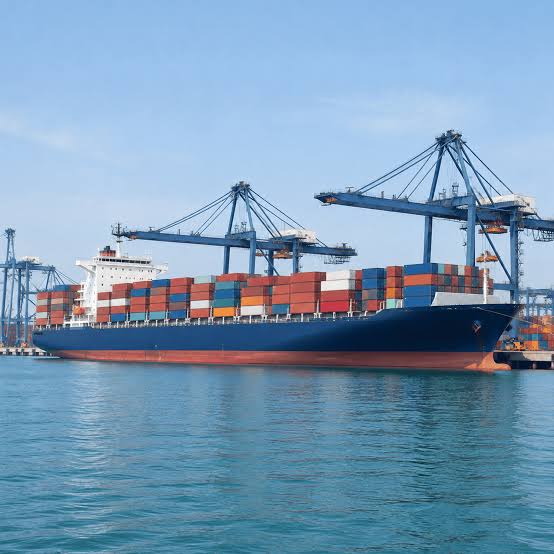
July and August sit at the front edge of the China-to-USA peak, as retailers pull forward autumn and holiday stocking alongside the school season. Space tightens, consolidation cut-offs fill earlier, and surcharges surface: PSS commonly runs around $500 to $2,000 per container and GRI around $300 to $1,200 per box, with BAF, THC, ISPS and AMS on top. Both vary by carrier and week; ask for them itemised in the quote so the budget compares cleanly.
LCL feels the July–August squeeze first, because the shared container has to fill enough volume to release before it can sail. For a time-bound school program, compare LCL and FCL quotes around the common 15 CBM break-even rather than defaulting to LCL on price alone; a slightly more expensive dedicated container that holds its schedule can be the lower-risk choice for an August deadline.
Preguntas frecuentes
When should I book ocean freight for Back-to-School 2027?
Work backward from your August receiving or shelf date using the 30–50 day door-to-door range, plus a consolidation and congestion buffer. West Coast FCL programs start later than West Coast LCL, and East Coast programs start earlier again; confirm the specific sailing cut-off with your forwarder.
Does LCL arrive in time for the school season?
It can, provided the booking is early enough to meet the LCL consolidation cut-off on both ends. In tight July–August weeks the shared-container window stretches, so time-bound LCL programs need an earlier booking and a reserve sailing.
What FBA shelf-life rules apply to food and supplement school goods?
Dating must appear on the product and master carton, and Amazon food policy expects remaining shelf life above 90 days at arrival; supplement programs commonly add a sellable-days buffer. Verify the current Seller Central policy for your specific category before booking.
Lecturas relacionadas
- Reposición de Amazon FBA desde China
- China to USA transit time, West and East Coast
- US warehouse delivery by ZIP
- Ocean freight peak season surcharges and delays
- LCL, CBM y peso facturable
Planifica tu envío
Empieza por los datos de tu producto y el código postal de entrega. Solicita un presupuesto de transporte.