
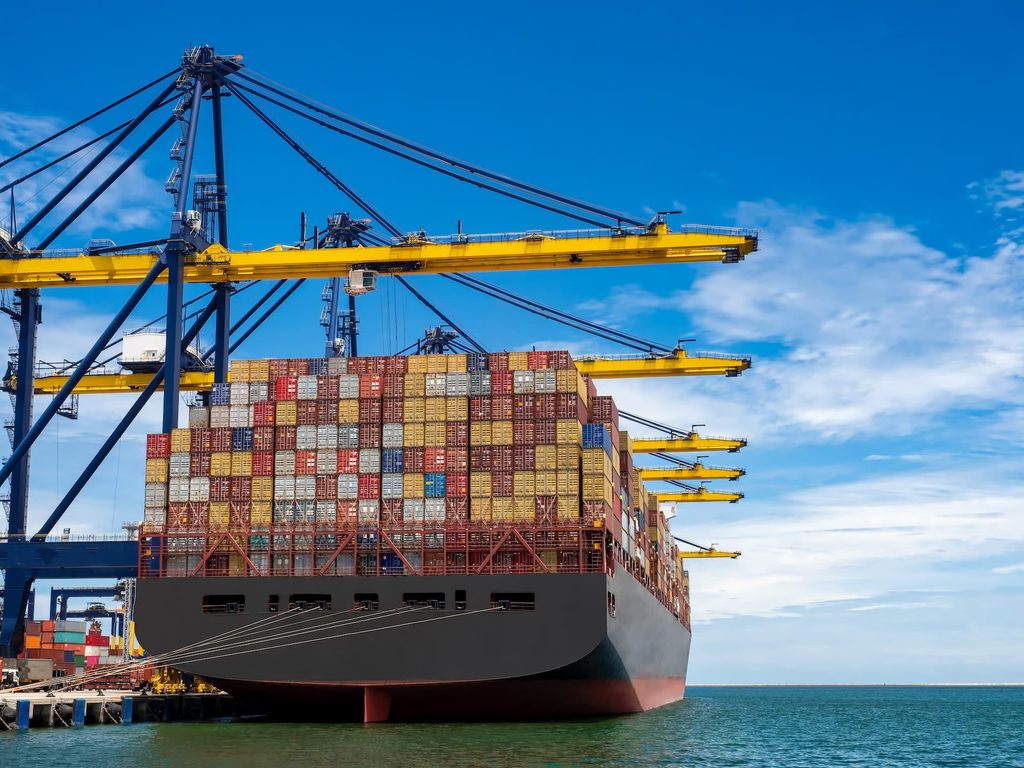
Chinese New Year 2027 falls on Saturday, February 6, and the disruption it causes to China-to-USA ocean freight does not start on that date—it builds for weeks beforehand and lingers for weeks after. Whether you are trying to move stock out before the factory shutdown or planning the first replenishment after it, the booking dates matter more than the holiday itself. This guide lays out the ocean freight cutoff pattern for the 2027 break, what typically slows down, and how to build a realistic schedule around it.
One caveat before the dates: factories and carriers do not follow a fixed public calendar. The windows below are planning estimates drawn on prior-year shutdown patterns; confirm the actual production finish date with your supplier and the vessel cut-off with your forwarder for the sailing week you target.
How the CNY shutdown actually unfolds
The break arrives in three stages. Before the holiday, factories wind down over roughly two to three weeks: final orders finish, lines close, and materials and packaging run short. During the break most manufacturing sits idle for about one to two weeks, depending on region and supplier. Afterward, plants reopen on a ramp-up schedule rather than at full speed, so material supply, quality and shipping capacity take time to settle.
Ocean freight reacts at both ends of this sequence. Pre-holiday weeks carry a flood of exporters trying to clear finished stock before the docks and warehouses close, which fills vessel space and tightens origin cut-offs. Post-holiday weeks bring the backlog of orders that built up during the break, so the first sailings after reopening are crowded and rates often climb before they ease. Treat the period on both sides of February 6 as constrained, not just the holiday week itself.
Last booking window for pre-CNY sailings
Working backward from the China to USA ocean freight transit time, a pre-holiday booking has several hard stages that each take time: production completion, packing and carton consolidation, delivery to the origin terminal or consolidation warehouse, customs and filing preparation, and the vessel cut-off itself. Missing any one of those stages rolls the cargo to the next sailing. The table below maps typical lead stages to the West and East Coast ranges; these are estimates based on prior-year patterns, not confirmed carrier dates.
| Stage (relative to CNY, Feb 6, 2027) | West Coast lane | East Coast lane | Planning note |
|---|---|---|---|
| FCL ocean leg, port to port | 13 à 21 jours | 25 à 35 jours | Panama Canal adds about 10–15 days |
| LCL ocean leg, port to port | 20 à 30 jours | 32 à 45 jours | Shared container adds consolidation ends |
| Origin handling before sailing | Days to a week, plus warehouse cut-off | Same | LCL consolidation closes earlier than FCL |
| Typical pre-CNY production finish | 2–3 weeks before the break | 2–3 weeks before the break | Confirm the real finish date with your factory |
For a shipment that must clear China before the shutdown, book early enough that finished goods reach the origin warehouse ahead of the cut-off, with a reserve sailing in case the target vessel is missed. A West Coast FCL has a shorter water leg than an East Coast LCL, but neither clears on a late booking in the pre-holiday rush. If cargo must arrive before the break, the deadline to solve is the origin vessel cut-off, not the factory finish date.
Post-CNY replenishment after the shutdown
Once factories reopen, the first production cycle feeds a crowded booking window. The shipments that move smoothly after the break are the ones planned in advance: buyers who confirm quantities before the shutdown, lock production slots for the first reopening weeks, and book space on the early post-holiday sailings rather than waiting until the factories have already restarted. The containers that struggle are the late orders chasing capacity after everyone else’s backlog is already on the water.
Post-holiday rates and reliability resemble a lighter peak season: preferred space fills first, surcharges can appear as carriers rebalance capacity, and LCL waits for the shared container to fill. Build a buffer for the ramp-up weeks and re-confirm once the factory gives a firm finished-goods date. Once the lane settles, West Coast FCL runs about 13–21 days and LCL 20–30; East Coast FCL about 25–35 and LCL 32–45; confirm the current schedule with your forwarder.
Documents and filings before the vessel closes
In a tight pre-holiday week, paperwork delays become sailing delays. The basics must be ready before cargo reaches the terminal: invoice, packing list, carton dimensions, weights, HTS data and importer arrangements. ISF (10+2) must be submitted no later than 24 hours before the cargo is loaded on board; for food and supplement cargo, FDA prior notice is due at least 8 hours before arrival. These importer-side filings are coordinated with the forwarder, while the US importer of record carries the responsibility.
The practical habit is to hand the document pack to the forwarder well ahead of the cut-off rather than on the closing day, because a missing carton mark, an incorrect weight or an incomplete filing can hold a container at a time when the next sailing is already full. Keep copies organised by shipment so a late correction does not cost the booking.
LCL vs FCL around the break
The LCL/FCL break-even sits around 15 CBM as a starting point; request both quotes for your lane. Around CNY the handling difference matters more: FCL books its own vessel slot and moves through terminal handling on its own schedule, while LCL depends on a consolidation warehouse that may close earlier before the break and reopen later after it. Smaller replenishments may still suit LCL, but larger pre- or post-holiday programs often justify FCL when shared-container cut-offs are hard to meet.
Foire aux questions
How many weeks before Chinese New Year should I book ocean freight?
Plan on roughly two to three weeks of production wind-down before the break, then add the origin handling and vessel cut-off on top of the ocean transit range. These are prior-year estimates; your supplier’s actual finish date and your forwarder’s confirmed sailing cut-off are the dates to build the schedule on.
Is ocean freight cheaper or more expensive after CNY?
The early post-holiday sailings carry accumulated demand, so space and rates are tight before the lane settles. Pre-booked capacity and an early reserve sailing help more than waiting for prices to relax.
What happens if my cargo misses the pre-holiday cut-off?
The shipment rolls to the next available sailing after the break, which usually means a wait through the shutdown and into the crowded reopening weeks. Keeping an earlier reserve sailing is the safest hedge.
À lire également
- China to USA transit time, West and East Coast
- Ocean freight peak season surcharges and delays
- LCL, CBM et poids facturable
- Choisir entre LCL et FCL
- Comment comparer les devis de transport de marchandises entre la Chine et les États-Unis
Organisez votre envoi
Commencez par indiquer les détails de votre produit et le code postal de livraison. Demander un devis de transport.