
Transit time is a core planning input. This guide compares West Coast and East Coast routing from China and explains what adds time before the cargo reaches the receiving door.
West Coast transit
West Coast routing gives China cargo the shortest ocean leg. Containers discharged at Los Angeles/Long Beach or Oakland typically run FCL in roughly 13–21 days port to port on standard sailings, with the fastest direct express services around 10–13 days from the major southern China ports. LCL adds the consolidation and deconsolidation steps on both ends, which pushes West Coast LCL out to about 20–30 days over the same ocean distance.
The appeal of the West Coast is the shorter water time, not necessarily the fastest door. Once the container is discharged it still has to clear customs, be picked up and move by truck or rail to the inland warehouse. For shipments bound for California, the Southwest or the Pacific Northwest that domestic leg is short. For the Midwest or the East Coast, a West Coast discharge means a long rail or truck ride inland, and the time advantage over an East Coast port narrows or disappears.
| Routing | FCL port-to-port | LCL port-to-port | What to note |
|---|---|---|---|
| West Coast (LA/Long Beach, Oakland) | 13–21 days | 20–30 days | Shortest ocean leg; fastest direct service about 10–13 days |
| East Coast (NY/NJ, Savannah) | 25–35 days | 32–45 days | Via Panama Canal; about 10–15 days more than the West Coast |
| Door-to-door (either coast) | 30–50 days typical | LCL adds 3–7 days | Includes origin handling, clearance and final delivery |
East Coast transit
East Coast routing reaches New York/New Jersey, Savannah and related ports through the Panama Canal, which is why the water leg runs longer. FCL on an East Coast routing commonly sits around 25–35 days port to port, and LCL roughly 32–45 days once both consolidation ends are included. On average the East Coast adds about 10–15 days of ocean time compared with the West Coast.
Some cargo reaches the East Coast by transhipment through a larger hub rather than a direct sailing, which can add a day or two but buys more frequency. The trade-off sits in the domestic leg: a container discharged in Savannah already sits in the Southeast, and NY/NJ already serves the Northeast and the rail corridors into the Midwest, so the final move to the receiver is often shorter and cheaper than hauling it cross-country from Los Angeles.
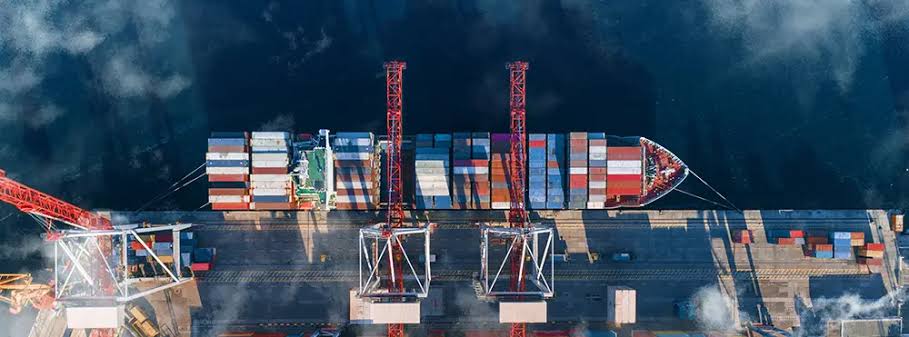
What changes the total time
The ocean port-to-port number is only one slice. On the origin side, LCL cargo must be delivered to the forwarder’s consolidation warehouse and meet cut-off days before the vessel closes; missing that cut-off rolls the shipment to the next sailing. At the destination, deconsolidation, customs processing and any prior-notice coordination for food and supplement cargo all sit between discharge and release.
Peak season changes the math. Congestion at either end, vessel omissions and rotation shifts can stretch schedules, and consolidated LCL windows widen. The importer-side filings also matter: prior notice for ocean cargo is due at least 8 hours before arrival, and ISF must be filed 24 hours before the cargo is loaded on board the vessel; a late filing adds days. These are the importer of record’s filings, coordinated with the forwarder. Confirm the current schedule with your forwarder for the sailing week you are booking.
From port to receiving door
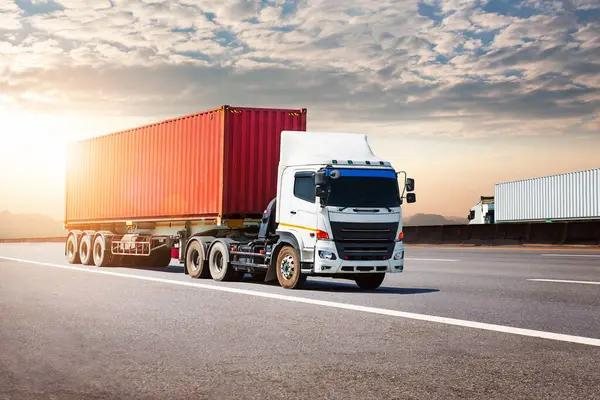
After release, drayage moves the container from the terminal to a deconsolidation warehouse or directly to the receiver. For LCL, the warehouse breaks the consolidation and stages cartons for delivery, and appointments then book the truck to the receiving dock. Each of those steps adds a day or more, and delivery to a remote ZIP or a liftgate-only site adds still more.
The delivery ZIP is the variable that turns a port-to-port estimate into a door-to-door plan. The same sailing into LA can reach a Sacramento warehouse in a few days of trucking but a Michigan warehouse after a week or more of rail. Build the delivery ZIP into the quote from the start, so the total journey time — not just the ocean leg — reflects where the goods actually have to land.
Frequently asked questions
Is the West Coast always faster?
Not for every destination. The ocean leg to LA/Long Beach or Oakland is usually shorter, but once the cargo clears and moves inland, a shipment bound for the East Coast or the Midwest can arrive no sooner — and sometimes later — than one routed to an East Coast port. Judge the door-to-door time for your specific delivery ZIP rather than the port-to-port number alone.
Where do I find current transit times?
Transit times move with sailing schedules, vessel rotations and peak-season congestion, so the exact number for your week is the one your forwarder confirms. Ask for the scheduled transit on the specific sailing you are booking, then build in a buffer on top, rather than relying on a generic table that may not reflect the current week.
Related reading
- Choose LCL or FCL
- US warehouse delivery
- Costs and quote
- US port choices for food imports
- Ocean freight peak season
Plan your shipment
Start with your product details and delivery ZIP code. Request a freight quote.
The US port you choose shapes transit time, cost and delivery options. This guide compares West Coast and East Coast gateways for food and supplement cargo from China.
West Coast ports
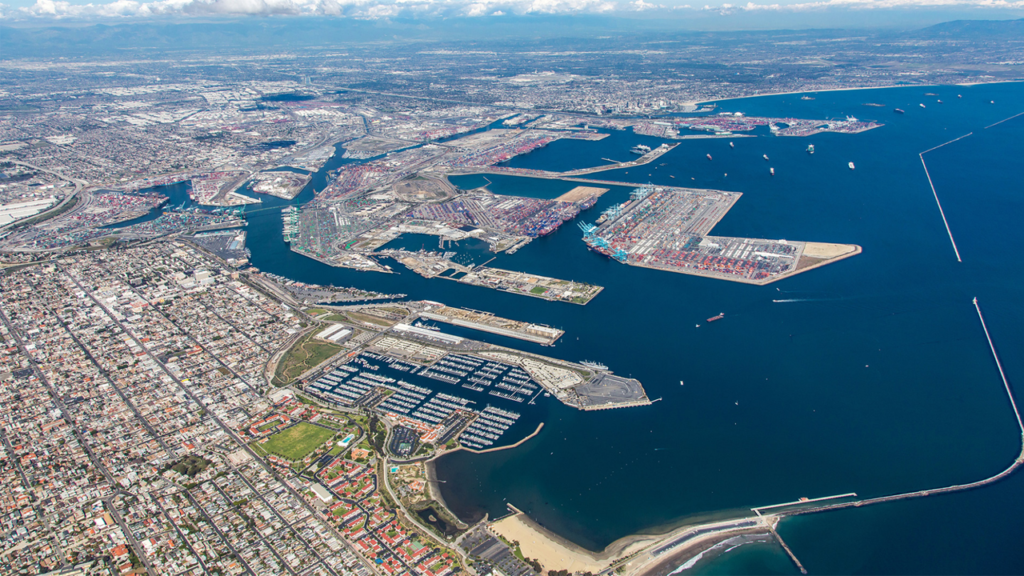
Los Angeles/Long Beach, together in San Pedro Bay, form the largest container gateway complex in the United States and the main entry point for China and Asia trade. The two ports combined handle roughly two-fifths of US waterborne container volume — about 20.1 million TEU in 2025 — which means dense weekly services and plenty of sailing choices from China. For cargo feeding the West Coast, the Southwest or the Pacific Northwest, this is the natural first look.
Oakland is the other meaningful West Coast option. It is the only deep-water container port in Northern California and serves Northern California, the Central Valley and western Nevada, handling roughly 2.25 million TEU in 2025. If your receiver sits in the northern part of the state or the inland West, routing to Oakland can shorten the drayage compared with hauling up from LA/Long Beach.
East Coast ports
New York/New Jersey is the largest East Coast gateway, moving on the order of 7–9 million TEU a year and radiating by road and rail across the Northeast and into the Midwest. Savannah is the fastest-growing East Coast gateway, home to one of the largest single container terminal facilities in North America and handling roughly 5–6 million TEU a year; its reach is the Southeast.
Routing to either East Coast port runs through the Panama Canal, which adds ocean time versus the West Coast — East Coast FCL transit of about 25–35 days against 13–21 days to LA/Long Beach. The case for the East Coast is not speed on the water; it is a shorter, cheaper final move once the container lands where your customer actually is.
| Gateway | Position | Roughly how it handles volume | Best for |
|---|---|---|---|
| LA / Long Beach | Largest US gateway complex (San Pedro Bay) | ~40% of US waterborne containers; ~20.1M TEU (2025) | West Coast, Southwest, Pacific Northwest |
| Oakland | Only deep-water container port in Northern California | ~2.25M TEU (2025) | Northern California, Central Valley, western Nevada |
| NY / NJ | Largest East Coast gateway | ~7–9M TEU/year; rail into the Midwest | Northeast and Midwest distribution |
| Savannah | Fastest-growing East Coast gateway | ~5–6M TEU/year; large single terminal | Southeast distribution |
Port choice and delivery ZIP
The port should match the receiving warehouse, not the other way around. A container that discharges in Los Angeles but feeds a New Jersey warehouse incurs a long and expensive domestic haul, while the same cargo routed into NY/NJ lands close to the door. Work backward from the delivery ZIP: where is the carton actually going to be received, and which gateway puts the shortest road or rail move on the other end?
Domestic transit from the gateway to the final ZIP is part of the planning, not an afterthought. Rail corridors give you a predictable mid-cost option for longer inland moves, while truck wins shorter distances and tighter scheduling. Confirm how your product and its delivery ZIP fit each gateway before you lock the routing.
How the port choice changes cost and time
Different gateways carry different ocean rates, destination charges and drayage. A lower ocean rate to the West Coast can be offset by a longer, costlier inland leg to an Eastern warehouse, just as a longer, pricier ocean leg to the East Coast can be offset by a short final delivery. Destination handling and deconsolidation also vary by terminal.
The right way to compare is like-for-like: ask each forwarder to quote the same product, volume, weight and delivery ZIP into each gateway, with ocean rate, destination charges and delivery itemised. That tells you the true landed cost for each port rather than a headline ocean number. Confirm the routing, transit and charges for your lane with your forwarder.
Frequently asked questions
Which port is best for my cargo?
It depends on the delivery ZIP, your volume and your schedule. A West Coast gateway usually wins for Western receivers, while NY/NJ or Savannah shortens the final move for Eastern and Midwestern ones. Compare quotes on the same assumptions — same product, volume, weight and ZIP — for each gateway before you decide.
Can I choose the port after booking?
The port is part of the routing decision, so confirm it at quote stage rather than after the booking is made. Changing the gateway later can alter the ocean rate, the inland move and the delivery plan. Tell the forwarder your delivery ZIP up front so the port choice is built into the first quote.
Related reading
- Choose LCL or FCL
- US warehouse delivery
- Costs and quote
- China to USA transit time
- How to compare China-to-USA freight quotes
Plan your shipment
Start with your product details and delivery ZIP code. Request a freight quote.