
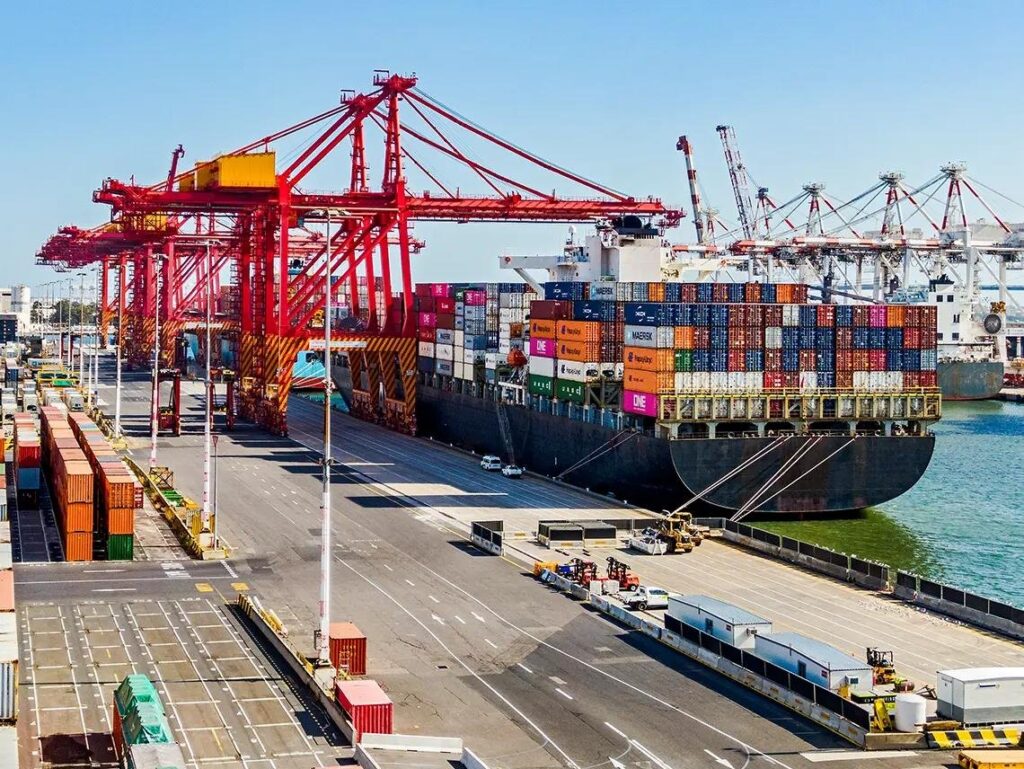
Peak season changes rates and schedules. This guide explains surcharges, transit impact and how to plan shipments around the busiest weeks.
When peak season happens
Peak season is the window when retailers and brands pull forward the holiday shopping season, and container demand outpaces the available vessel space. On the China-to-USA lane the heaviest stretch typically runs from August through October, driven by autumn and holiday stocking. In some years demand also spikes in June to August, and lighter surges can appear in November to December. The exact weeks shift each year with the economy and retailer calendars, so treat these as a planning pattern rather than a fixed calendar.
What actually changes in these weeks is both rates and reliability. Carriers add temporary capacity but not enough to fully absorb the rush, so space tightens, vessel cut-offs fill earlier, and bookings can roll to a later sailing if cargo misses the cut-off. Shippers who wait until the last minute often find the cheap rate is gone and the next available vessel is a week or two out.
Surcharges in your quote
Peak season surfaces as extra line items on top of the base ocean rate, and the confusion usually comes from not seeing them until the invoice. The surcharges you should expect to see called out are the peak season surcharge (PSS) and general rate increases (GRI), along with the standing charges such as bunker adjustment (BAF), terminal handling (THC), port security (ISPS) and manifest filing fees like AMS. PSS commonly runs in the region of $500 to $2,000 per container, while a GRI often lands around $300 to $1,200 per box; both vary by carrier and sailing week.
| Surcharge | What it covers | Typical level |
|---|---|---|
| PSS (peak season) | Carrier capacity in the busiest weeks | ~$500-$2,000 per container |
| GRI (rate increase) | Broad base-rate rise announced ahead of peak | ~$300-$1,200 per box |
| BAF (bunker) | Fuel cost movement on the ocean leg | Varies with bunker price |
| THC (terminal handling) | Origin and destination terminal work | Per container, port-dependent |
| ISPS / AMS | Port security and manifest filing | Small, per shipment |
The practical ask is simple: get surcharges itemised in the quote, not folded into a single headline number. When PSS and GRI are shown separately you can compare carriers on the same basis and avoid discovering a meaningful cost only after the vessel has sailed. Surcharges vary by carrier and sailing week, so ask for them itemised in your quote.
Transit impact
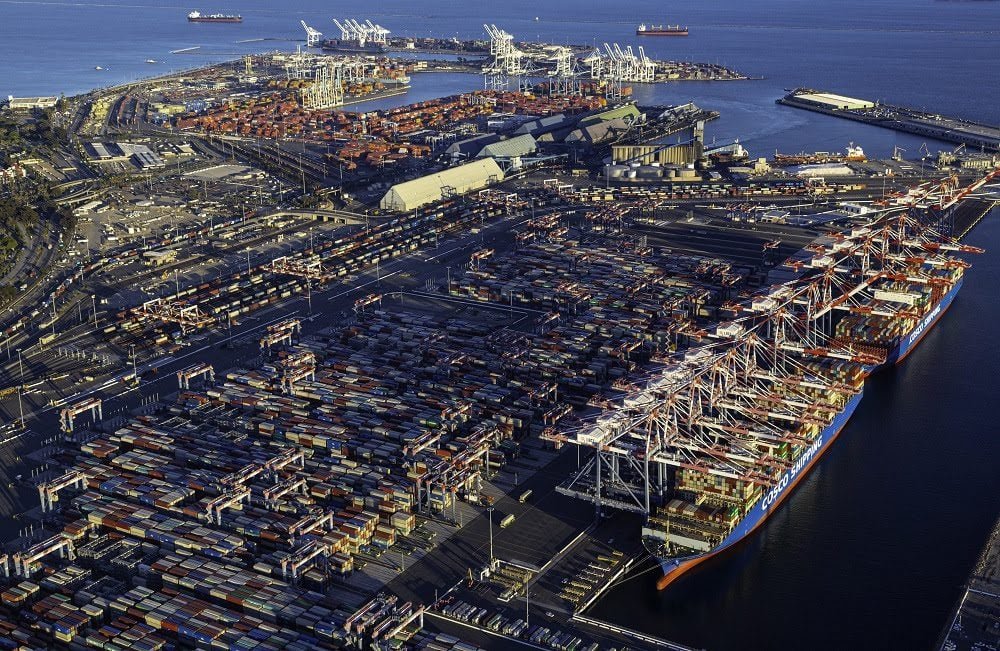
The published port-to-port time often does not tell the peak-season story. Congestion builds on both ends: origin terminals fill faster as everyone books early, and destination gateways can back up when several vessels arrive in the same week. That congestion delays berthing, unpacking and the truck appointments that follow.
LCL cargo feels the squeeze more than FCL. Shared containers depend on consolidation warehouses filling enough volume to release, and on deconsolidation at the other end; when terminals are busy, those consolidation and deconsolidation windows stretch by several days. A plan that looks comfortable on a quiet week can slip past its buffer in October, so build the extra time in deliberately rather than hoping it will not appear.
Planning ahead
Booking earlier is the single most effective lever. In peak weeks, confirm vessel cut-offs well ahead and book a sailing that leaves you margin, because a rolled booking costs more days than an early one. If your replenishment depends on stock arriving before a promotion, treat the vessel you actually need as a must-book and keep an earlier sailing in reserve.
Build buffer time into the whole replenishment plan, not just the ocean leg. Add a margin for consolidation, destination congestion and a possible roll, and re-check the schedule as the sailing week approaches. Forwarders update the lane conditions week by week, so a quote held from a month earlier should be re-confirmed before you commit the cargo.
Frequently asked questions
Are peak season surcharges negotiable?
They largely reflect market capacity at the time, so the lever is transparency rather than haggling. The goal is to see PSS, GRI and the other charges itemised in your quote and compare them across carriers, not to negotiate a number after the fact. Volume and a standing booking relationship can improve your position, but assume the published surcharges will apply and budget for them.
How far ahead should I book?
Earlier is safer in peak weeks, because space on the preferred sailing fills first. Book well ahead of the vessel cut-off, and confirm the booking window and cut-off dates with your forwarder rather than working from memory. If the cargo feeds an FBA replenishment or a promotion, leave an earlier sailing in reserve so a roll does not leave you out of stock.
Related reading
- Costs and quote
- Choose LCL or FCL
- Request a quote
- How to compare China-to-USA freight quotes
- China to USA transit time
Plan your shipment
Start with your product details and delivery ZIP code. Request a freight quote.