
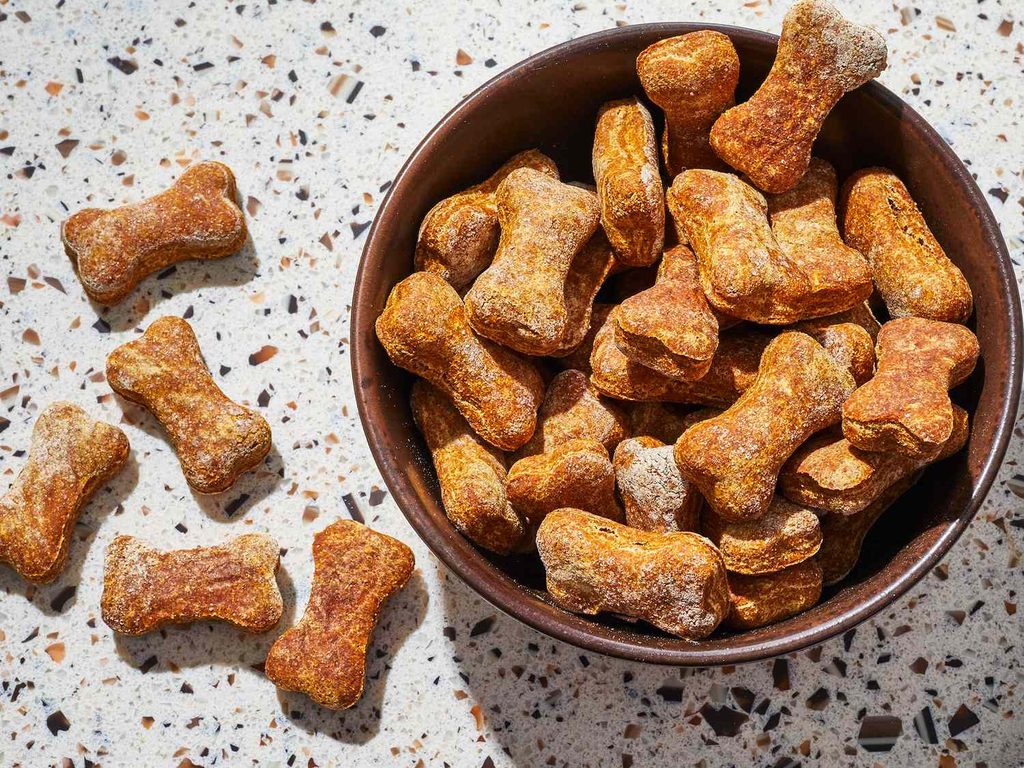
Pet food and treats follow their own product and labeling requirements. The freight plan should connect product review, storage needs and US receiving requirements before booking.
Pet food categories we plan around
Pet food and treats cover a broad product range, and the category shapes the freight plan. Baked treats, jerky-style snacks, kibble and dry formulations each have their own packaging and shelf-life behaviour. Shelf-stable products move like any dry cartoned cargo, while temperature-sensitive lines need a storage conversation before booking.
The distinction between shelf-stable and temperature-sensitive is the first thing we pin down. A jerky-style treat or a baked biscuit in a sealed bag is usually comfortable in a standard dry container, but anything with a defined storage range changes the container choice and the receiving expectations. We set that out at the product review stage rather than discovering it after the order is placed.
We plan the freight around the product rather than the other way around. A baked treat and a bag of jerky may both look like dry cartons, but their shelf-life, moisture sensitivity and inner packaging are different enough that the origin packing and the receiving expectations should reflect the specific item. Declaring the exact product at enquiry is what lets us flag storage or handling questions before the order moves.

Labeling and product records
US labeling expectations and the ingredient declaration need to be in place before dispatch. We do not design or approve the label, but we flag that cartons should arrive at origin labelled and ready. Product identity and facility records sit with the importer, who owns the compliance side of the shipment.
The importer of record carries the FDA-side responsibilities, including FSVP, and coordinates per-shipment filings such as prior notice and entry. For ocean cargo, prior notice is submitted at least 8 hours before arrival and the ISF 24 hours before the cargo is laden; confirm the exact timing with your importer and broker.
Alongside the label, we keep the document pack tight: the commercial invoice, packing list and the HTS/entry data that the broker needs. The importer owns the compliance decisions, and our job is to hand over a complete, consistent pack so clearance does not stall on missing paperwork.
Storage and shelf-life
Moisture, oxygen and temperature are the enemies of pet treats, and they influence packaging choice and carton strength. A sealed inner pack protects the product, while strong outer cartons and palletisation protect it through LCL handling. We record the storage requirements so the origin warehouse and the US receiver both know what the cargo needs.
Shelf-life is planned from production to receiving. The longer the ocean and clearance cycle, the more shelf life you consume before the product even reaches the US shelf. To the US West Coast, port-to-port FCL transit is commonly around 13–21 days and to the US East Coast around 25–35 days, with LCL adding roughly 3–7 days; build that lead time into the replenishment plan and confirm the current schedule with your forwarder.
LCL/FCL and delivery
Container choice follows volume and handling needs. Smaller treat shipments suit LCL; larger brand programmes justify FCL, with around 15 CBM as a starting point for comparing the two. Delivery is planned to the US warehouse by ZIP, with receiving hours, dock requirements and appointment rules confirmed before the cargo lands.
Because pet treats are often lighter per cubic metre than dense cargo, LCL chargeable weight rarely tips into weight-based billing, but carton dimensions still drive the quote. Where the programme grows, comparing LCL against a 20ft container above roughly 15 CBM usually shows where the per-unit saving lands.
| Product type | Storage sensitivity | Freight planning focus |
|---|---|---|
| Baked treats / dry biscuits | Shelf-stable, dry | Standard dry cartons, palletisation |
| Jerky-style snacks | Shelf-stable, moisture-sensitive seal | Inner seal, carton strength |
| Kibble / dry formulations | Shelf-stable, bulk weight | Weight vs volume billing, pallet stability |
| Temperature-sensitive lines | Storage spec required | Container conversation; confirm with forwarder |
Frequently asked questions
Can pet treats ship with food products?
Yes, pet treats can move alongside general food products subject to a product and route review. Declare the exact product, format and packaging at enquiry so the acceptance and storage checks happen before booking. The importer of record owns the per-shipment filings and product records for the cargo.
What should the importer prepare?
The importer should have the importer-of-record arrangements, product records and per-shipment filings in place, including FSVP. The forwarder coordinates the freight-side documentation and filing timing with the importer and broker, but the compliance responsibilities sit with the US importer.
Related reading
- Food shipping services
- Product categories
- Choose LCL or FCL
- FDA import preparation
- How to choose a China-to-USA freight forwarder
- US warehouse delivery ZIP coverage
Plan your shipment
Start with your product details and delivery ZIP code. Request a freight quote.