
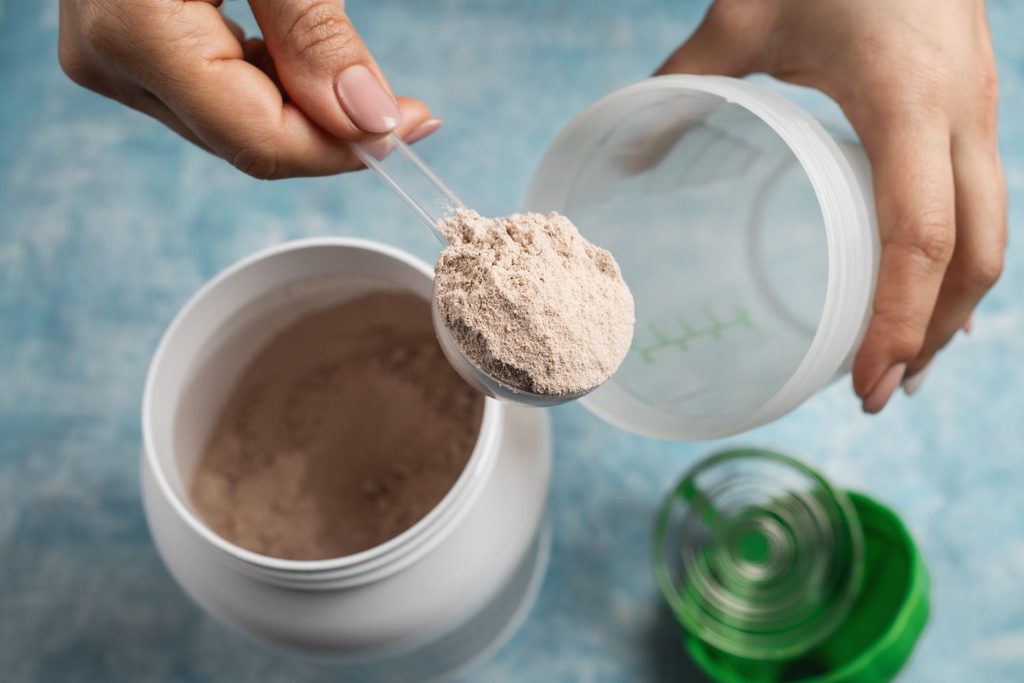
Protein powder is one of the most common supplement formats shipped from China, and it has one quiet enemy: moisture. A drum or bag that leaves the factory free-flowing can arrive caked, clumped, or stuck to the liner if the packaging and container conditions are not right.
This checklist covers the practical side of protein powder shipping: how to keep the powder dry, what retail and bulk packaging mean inside a container, which documents to have ready, and how LCL and FCL change the plan. It is written as a working checklist for buyers and brand owners, not a regulatory walkthrough.
Why protein powder needs special handling at sea
Protein powder is dense, fine and hygroscopic. Pull it out of a warm, humid packing room and it will readily take on moisture from the air. On a China-to-USA ocean voyage the cargo can swing through humid air at origin, cooler air on the water, and a dry, heated US warehouse. That temperature swing moves water through the headspace of every package. Where the inside of a jar or bag touches a cooler wall, condensation can form, and a once-free-flowing powder turns into soft clumps. Left unchecked, those clumps harden, the scoop no longer drops, and the bottle or drum is returned or discounted.
This is not a reason to avoid ocean freight. It is a reason to treat the package and the container as one protection system. The checklist below works outward from the powder itself, through the inner bag and outer carton, to the pallet and the container.
| Risk in transit | What it looks like on arrival | What controls it |
|---|---|---|
| High humidity at origin | Surface caking before the cargo even sails | Low-humidity packing area; seal at the end of the line |
| Condensation in the container | Wet liner, caked powder on the bottom layer | Liner bag, desiccant, dry container choice |
| Stacking pressure | Bottom drums or bags hardened under the load | Load planning, column stacking, no over-stacking |
| Extra LCL handling | Torn corners, split sacks from extra lifts | Strong outer cartons, palletisation, stretch wrap |
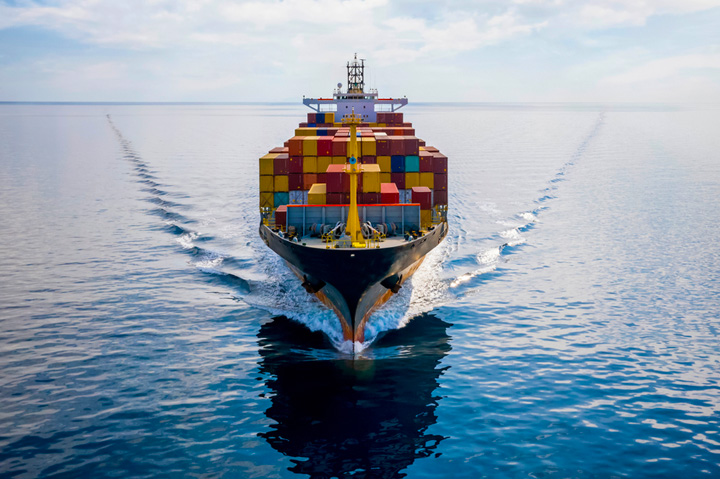
Retail bottles and cans vs bulk bags
The first packaging decision is also the biggest cost decision. Most brands move protein powder one of two ways. Retail-ready jars or cans are filled on the finished line at origin: the powder goes into the final bottle, the cap is foil-sealed, the label goes on, and the units are case-packed for shelf or FBA. Bulk powder goes into food-grade bags, drums or bulk bags and is filled or repacked closer to the US market. Each format loads very differently inside a container and creates very different freight math.
Retail bottles are light but bulky and fragile. There is a lot of empty air in every jar, so the freight rate often charges you for space rather than weight. Bulk bags are dense and stack hard, but they need a clean repacking step on arrival. The table below sets the two side by side so you can pick the format that matches your programme.
| Factor | Retail bottles / cans | Bulk bags / drums |
|---|---|---|
| Unit load | Finished units in master cartons | Powder in food-grade liners, sacks or drums |
| Moisture protection | Foil induction seal plus inner pouch per unit | Liner bag plus desiccant per sack |
| Handling | Fragile, cannot be crushed | Stackable, pallet-friendly |
| Freight density | Low to medium (air in bottles) | High (powder packs tight) |
| Work on arrival | Ready for shelf or FBA | Needs repacking and re-labelling |
| Best fit | Small brands, FBA-ready stock | Volume programmes, US repacking |
Sealing, inner liners and desiccant
Inside the outer carton, the powder needs its own dry barrier. On retail bottles that usually means a heat-sealed foil induction liner under the cap, with a silica sachet already inside the jar. On bulk sacks it means a food-grade polyethylene inner bag that is heat-sealed or tied shut, a desiccant sachet sized to the bag, and a strong outer woven bag or fibre drum.
A few practical points come up on nearly every shipment. The desiccant should sit inside the sealed liner, not loose in the outer carton, or it does no useful work. The inner bag should be closed before the outer carton is taped. Bags should not be overfilled, because a bulging sack splits at the seams when the next pallet goes on top. And the storage note on the spec sheet should be matched by the plan: if the powder is labelled store in a cool, dry place, the warehouse needs to respect that.
None of these are exotic steps. They are the difference between a cargo that still flows when the receiver opens the door, and one the receiver refuses. When in doubt about the right liner gauge or desiccant load for your powder, confirm the combination with your manufacturer and forwarder rather than guessing.
Documents, warehousing and LCL vs FCL
On the freight side, protein powder moves like any other food-grade cargo. The US importer of record owns the FDA-side filings and FSVP; the forwarder coordinates the freight-side paperwork and filings with the importer. Have the commercial invoice, packing list, HTS entry data and product records ready before dispatch. For ocean shipments the importer coordinates prior notice before arrival, and ISF is filed before the cargo is laden on board. Confirm the exact filing timing with your importer and broker, because it changes by lane.
Warehousing matters as much as the voyage. Protein powder should go into a dry, covered warehouse, not sit on an open dock through a rain week. Pallets keep bags and cartons off a wet concrete floor, and stretch wrap keeps the load as one unit and cuts down on how many times it is touched.
Whether you ship LCL or FCL comes down to volume. Around 15 CBM is the common starting point where the two are compared: below that, LCL is usually simpler; above that, FCL is usually cheaper per CBM. LCL adds handling touches and destination deconsolidation, so it suits smaller replenishments. FCL gives you one sealed container from origin to destination, which is the tighter moisture control powder prefers.
| Question | LCL | FCL |
|---|---|---|
| Typical volume | Under ~15 CBM | Above ~15 CBM |
| Container seal | Shared container | Your own sealed container |
| Moisture control | More handling points | Tightest control |
| Best for | Test orders, small replenishments | Steady volume, retail programmes |
Frequently asked questions
Can protein powder be shipped by ocean freight?
Yes. Ocean freight is the normal way to move protein powder from China. The job is packaging and container moisture control, not the mode itself.
Does protein powder need a special container?
A standard dry container works when the powder is sealed, lined and palletised. Reefer or temperature-controlled containers are not standard for this cargo; confirm the storage specification with your supplier.
What makes protein powder cake after shipping?
Most caking comes from moisture: humid packing air, condensation inside the container, or a wet liner. Sealing, desiccant and a dry container are the main fixes.
Who handles the FDA paperwork?
FDA filings and FSVP are the US importer of record’s responsibility. The forwarder coordinates freight-side filings and documents with the importer.
Related reading
Plan your shipment
Start with your product details and delivery ZIP code. Request a freight quote.