

FBA replenishment adds scheduling and receiving rules on top of the freight plan. This guide connects China-to-USA shipping with FBA delivery requirements.
FBA requirements for food and supplements
Food and dietary supplements are consumables, so FBA applies specific expiry and labelling rules. These differ from those for general retail products. Receiving centres check that stock has enough shelf life remaining. Shipments that fail the dating rules may be rejected or disposed of at the seller’s expense. Fixing cartons at the supplier is usually cheaper than reworking or removing stock after it reaches the US.
A few rules account for most receiving holds. Each edible unit and its master carton must display a clearly printed expiry or manufacture date. The font must be at least 36 point. A lot number alone is not sufficient.
Stock must also arrive with enough shelf life to support the expected sell-through period. Amazon’s food policy requires more than 90 days of remaining shelf life at the fulfilment centre. Supplement sellers often allow an additional buffer for sellable days. These thresholds are set by Amazon and may change. Check the latest Seller Central policy for your product category before shipping.
| FBA receiving point | What to plan for |
|---|---|
| Expiry dating on the unit | Clearly printed expiry or manufacture date, 36 point or larger |
| Dating on the master carton | Same date visible on the outer carton, not just the bottle |
| Remaining shelf life at the centre | More than 90 days when received (add your sellable-days buffer) |
| Dating consistency in one shipment | One expiry date per ASIN across the cartons you send together |
| Source of truth | Current Amazon Seller Central policy for your product category |
Case-pack and carton labelling deserve the same attention. Each ASIN should be grouped cleanly, with carton marks that match the shipment ID you create in Seller Central. Mixing production batches with different expiry dates inside one inbound shipment is a common reason a centre refuses part of the load, so ask the factory to segregate batches by date before the goods are palletised.
Replenishment planning
FBA replenishment is an inventory problem tied to your freight schedule. You need to order early enough to avoid stockouts. But ordering too early means paying to store products that are approaching their expiry dates. The key metric is the full order-to-door lead time, not just the ocean transit time.
Break the lead time into individual stages. These include supplier production and inspection, origin pickup and consolidation, ocean transit, US customs clearance, deconsolidation, and the fulfilment centre appointment window. Each stage affects when your stock becomes available for sale.
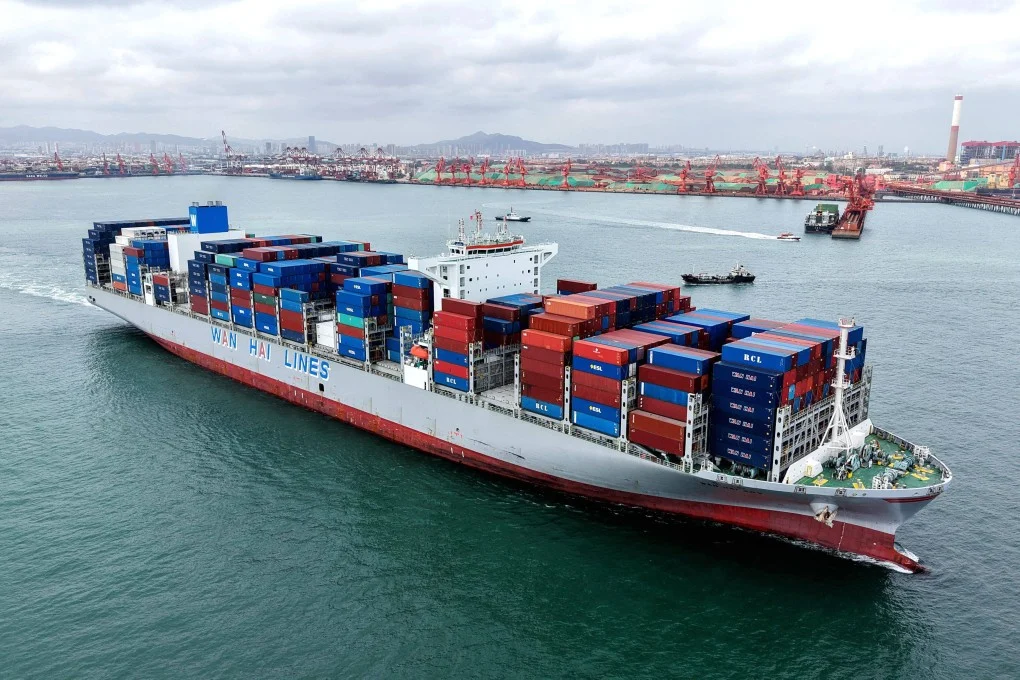
For ocean freight, a West Coast FCL shipment takes roughly 13–21 days port-to-port. An East Coast FCL shipment takes around 25–35 days. LCL shipments need extra time for consolidation and deconsolidation at both ends. Overall, door-to-door transit typically takes 30–50 days. Confirm the current schedule with your forwarder for your planned sailing week. Seasonal demand and carrier schedules can change these ranges.
Shelf life also affects when you should reorder. Unlike sellers of non-perishable goods, you cannot simply build up extra stock. Older products may become unsellable. Set your reorder point well before the remaining shelf life becomes a concern. Allow extra time for slower East Coast routes or peak-season delays.
If your product sells slowly relative to its shelf life, smaller, more frequent replenishments often work better. This approach reduces the risk of sending one large shipment that sits in storage for too long.
Freight and delivery
Most FBA replenishment programs start as LCL, because a single reorder rarely fills a container. LCL is well suited to smaller top-ups, but it adds origin consolidation and destination deconsolidation steps that a full container skips. As a starting point, around 15 CBM is where asking for both an LCL and an FCL quote becomes worthwhile; request both for your lane rather than assuming one is cheaper, because destination LCL charges can add up.
Delivering to the right centre matters as much as the freight itself. FBA inventory is split across specific fulfilment centres in your inbound plan, and sending a shipment to the wrong address, or missing the appointment window, creates delays and re-delivery charges. Share the FBA shipment labels and the destination centre details early so the delivery leg can be planned against the centre’s receiving hours and dock rules rather than guessed.
Compliance records
Food and supplement imports sit under FDA-related import rules, and those obligations repeat on every replenishment, not just the first order. The US importer of record carries the filings and compliance decisions, including foreign supplier verification, while the forwarder coordinates the freight-side documentation and filings with the importer. We are not giving legal advice here; the practical point is to keep that responsibility split clear on paper so no filing is assumed to be handled by someone else.
Each shipment follows the same filing rhythm tied to the sailing schedule. The Importer Security Filing (ISF) is due at least 24 hours before the cargo is loaded on board the vessel, and FDA prior notice for ocean cargo is due at least 8 hours before arrival at the US port. Keeping a consistent document pack, with the commercial invoice, packing list, entry data and finished label, means each replenishment reuses the same records instead of being rebuilt from scratch every time.
Frequently asked questions
Can you deliver directly to an FBA centre?
Yes. Delivery can be planned straight to the named fulfilment centre in your inbound shipment plan. We confirm the centre address, receiving hours and appointment rules at quote stage, and align the carton labels with your FBA shipment ID. Where a centre’s dock windows are tight, we build in the extra appointment and delivery time so the load is not turned away on arrival.
How early should I plan a replenishment?
Start from the full door-to-door lead time rather than the ocean leg alone. Production, consolidation, ocean transit, clearance and the fulfilment-centre appointment typically add up to a 30-50 day plan, and peak season can push it further. Place the reorder early enough to land before you run out, and keep a shelf-life buffer so the units still carry more than the required remaining life when they are received.
Related reading
- US warehouse delivery
- Supplement shipping services
- Food shipping services
- FDA import preparation
- US warehouse delivery ZIP coverage
- Ocean freight peak season
Plan your shipment
Start with your product details and delivery ZIP code. Request a freight quote.