
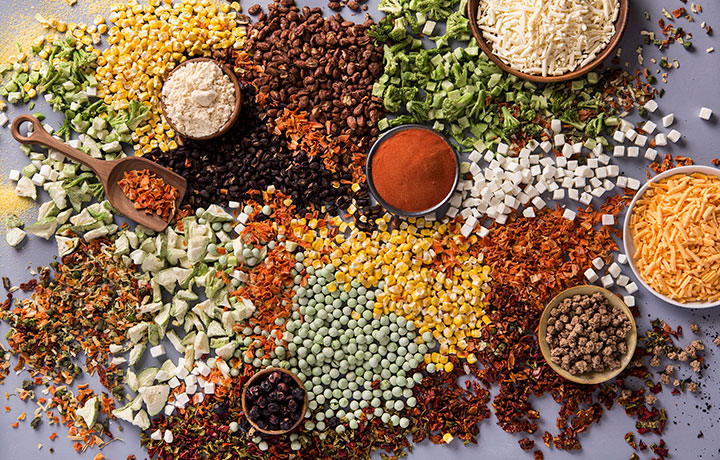
Dry ingredients look stable, but the journey from a Chinese production line to a US warehouse can take weeks. Shelf life is not only a product number; it is a planning number. It has to last through production, origin storage, ocean transit, customs and destination storage before your customer ever uses it.
This guide connects shelf life, packaging choice and transit time so you plan dispatch around the real clock.
Count the shelf-life clock from production, not arrival
The shelf life printed on a bag starts at the production date. By the time the goods reach the US door, part of that life is already used up. Work backwards from the date you want the product to be sellable, then subtract ocean transit, clearance and receiving time. Build in a buffer, because schedules shift and peak season can add days you did not plan for.
Ocean transit from China to the US West Coast runs roughly 13 to 21 days port to port for FCL, and longer to the East Coast. LCL adds time on each end for consolidation and deconsolidation. Door-to-door, including origin handling, clearance and final delivery, often lands in the 30 to 50 day range. Confirm the current schedule with your forwarder for the sailing week you are booking, because these ranges move with the season and the carrier.
Moisture and oxygen decide the packaging
Different dry ingredients fail in different ways. Some absorb moisture and cake. Some oxidize and lose potency or flavor. Some only need a clean, dry bag. Match the barrier to the ingredient, not to the cheapest option on the quote. Choosing the right bag before production prevents a whole shipment from arriving compromised.
| Ingredient type | Main risk | Packaging to choose |
|---|---|---|
| Fine powders (extracts, protein, flour) | Moisture and caking | Sealed inner bag, moisture barrier |
| Ground spices and blends | Aroma loss and oxidation | Sealed bag, light protection where needed |
| Whole herbs and leaves | Breakage and moisture | Lined sack with a sealed inner liner |
| Dehydrated vegetables and granules | Moisture and clumping | Moisture-proof barrier bag |
| Oily or nut-based ingredients | Oxidation and rancidity | Oxygen-barrier seal, cooler storage |
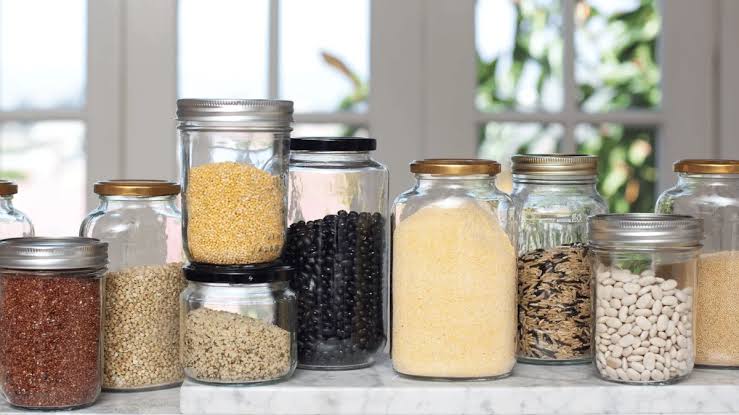
Packaging choices explained
A plain sack keeps cost low but offers little barrier. A sealed, moisture-proof inner bag stops humid air from reaching the product. A higher barrier pouch adds protection against oxygen and light for sensitive powders and oily ingredients. The right choice depends on the ingredient and your shelf-life target, so decide it before production, not at the dock when the container is already waiting.
Also think about the outer carton and the pallet. Bags that travel fine on a clean factory floor can tear in a shared LCL container, where cartons are handled several extra times. Strong cartons, neat palletizing and stretch wrap reduce the chance that a bag opens in transit. Heavy sacks should sit on stable pallets that can be moved by forklift at both ends.
Transit time vs remaining shelf life
Compare the remaining shelf life at dispatch with the time the goods spend on the water, plus the time after arrival. If you sell through Amazon FBA, remember that edible products must arrive with enough remaining shelf life to sell through, and expiry dating must be clearly printed on both the product and the master carton. Check the current Amazon Seller Central policy for your category, because the exact remaining-shelf-life expectation and the required label size can change.
The practical habit is simple: ship product with plenty of life left, date every carton clearly, and align the production date with the sailing so the receiver gets a fresh batch. When in doubt, ask your importer and forwarder how much buffer they recommend for your lane. A little extra planning avoids a shipment that arrives on time but too close to its expiry date.
Frequently asked questions
How long does ocean freight from China take?
West Coast port-to-port is roughly 13 to 21 days for FCL; the East Coast takes longer, and LCL adds consolidation time on each end. Confirm the current sailing schedule with your forwarder.
Do dry ingredients need special packaging?
It depends on the ingredient. Moisture- and oxygen-sensitive powders need sealed barrier packaging, while sturdy lined sacks suit many whole and less sensitive goods. Match the bag to the product.
How much shelf life should remain when goods arrive?
Leave enough to store, list and sell. For FBA, check the current Amazon Seller Central policy; the practical rule is to ship with a comfortable buffer and a clear expiry date on every carton.
Is LCL or FCL better for dry ingredients?
LCL works well for smaller replenishments; FCL becomes the better fit as volume grows. Around 15 CBM is a common starting point to compare the two, and asking for both quotes is the safest way to decide.
Related reading
Plan your shipment
Start with your product details and delivery ZIP code. Request a freight quote.