
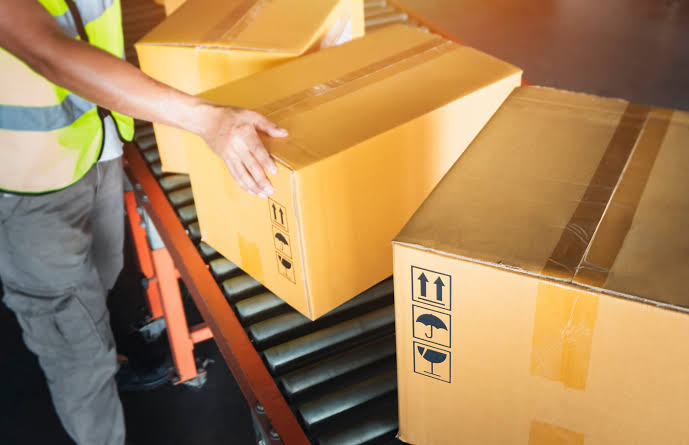
Warehouse delivery connects the port to the receiving door. This guide explains what happens after arrival, what to confirm about coverage and how to plan with your receiver.
From port to warehouse
Once a China shipment is released at the US port, the work to the receiving door begins. For LCL, the cargo moves to a deconsolidation warehouse where the shared container is broken out and cartons are staged; for FCL, the sealed container is trucked or railed closer to the receiver. Drayage — the short move from terminal to warehouse — and appointment booking then line the truck up to a dock slot.
Someone has to coordinate that chain, and in practice the forwarder manages the move from gateway to the deconsolidation warehouse and hands off the staged cartons to the delivery carrier. The door-to-door total, including the ocean leg, clearance and final delivery, commonly runs 30–50 days; LCL adds a few days on top for the consolidation and deconsolidation steps.
Delivery and receiving
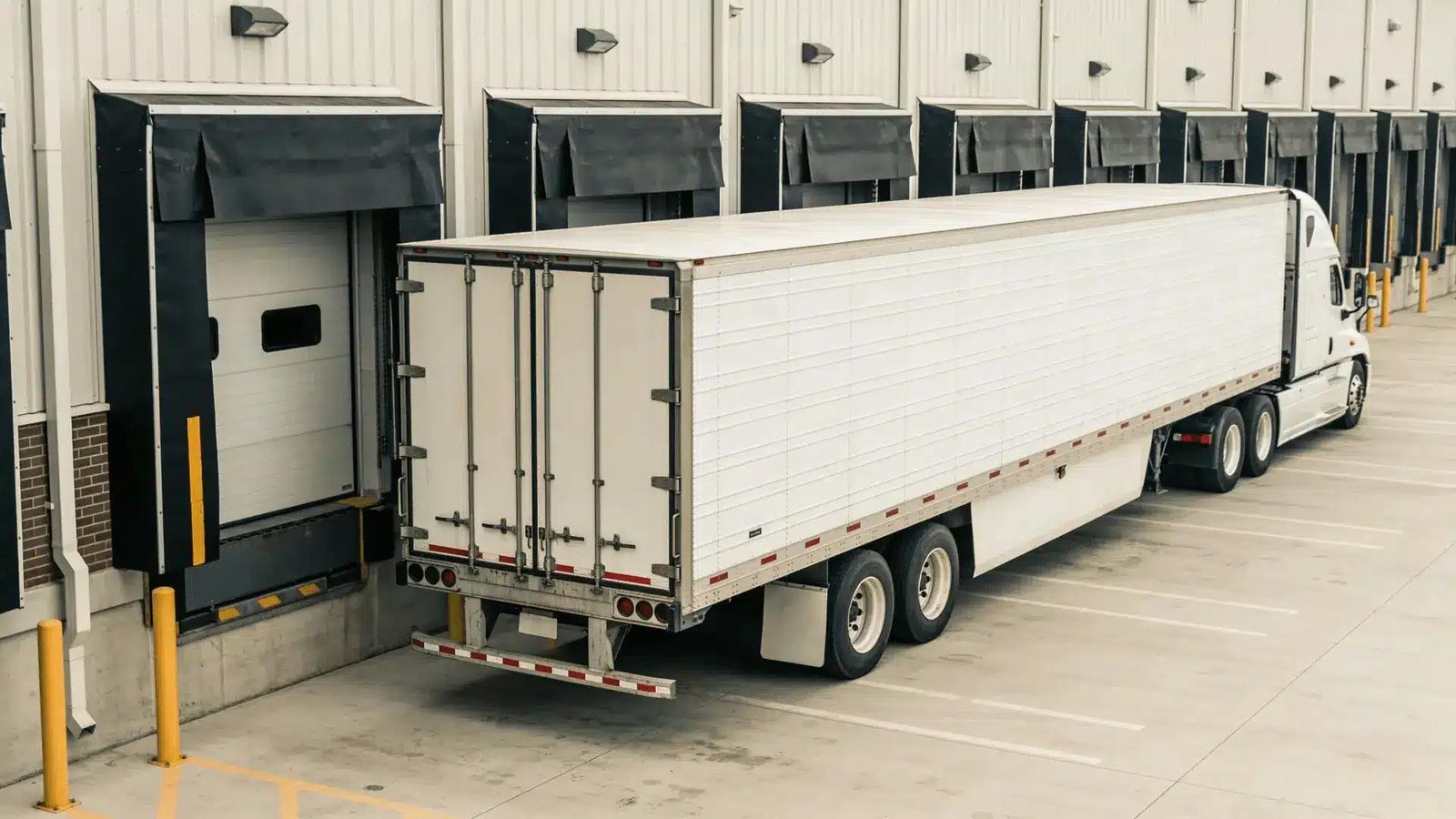
Receiving is not the same as dropping a pallet on the ground. Warehouses set their own receiving hours, dock requirements and paperwork, and a delivery that misses the appointment window can wait for the next slot. Have the receiver’s appointment details, dock configuration and contact confirmed before the truck is dispatched.
Liftgate, pallet and access considerations matter. A dock-high warehouse with a level bay is the smooth case; a liftgate-only site, a tight urban driveway or a receiver without a forklift needs equipment arranged in advance, and that affects both cost and timing. Cartons should be on pallets and stretch-wrapped where the receiving warehouse expects them, and the delivery paperwork — appointment confirmation, packing list and any batch references — should travel with the shipment so the receiver can check the delivery against the order on the day it arrives.
| Option | When it fits | What to confirm |
|---|---|---|
| Port-to-port (ocean only) | You arrange your own inland trucking | Terminal pickup, clearance and drayage are on your side |
| Door delivery (port to your warehouse) | You want one quoted landed move | Deconsolidation, drayage and delivery are included in the quote |
| Dock-high receiving | Standard warehouse with a level bay | No special equipment needed; book the dock appointment |
| Liftgate / limited-access site | Small or non-dock receiver | Liftgate truck and inside-delivery needs arranged in advance |
ZIP coverage and last mile
Delivery coverage follows the service lane. Major metro areas on both coasts and the Midwest are well covered, and coverage is confirmed by region and ZIP rather than assumed nationwide. The forwarder can tell you whether a given ZIP sits in the standard lane or needs an extended move.
Regional distribution makes sense when you sell to customers spread across several time zones. Splitting inbound volume into a West Coast and an East Coast receiving point shortens the last-mile to each customer base, instead of holding everything in one warehouse and shipping long distances. Whether that pays off depends on your order geography — worth modelling before you commit to a single door. The trade-off is that each split also means two receiving appointments and a little more handling, so it fits a steady, distributed customer base rather than a single bulk warehouse.
Planning with your receiver
Confirm the delivery ZIP and the receiving requirements before you book, not after. The ZIP sets the lane and the cost, while the receiving hours, dock type and appointment rule set whether delivery runs smoothly or stalls. A quick call with the receiver up front prevents a missed appointment at the other end.
Build the delivery scope into the quote comparison. Include whether the price reaches the dock, what equipment it assumes, and where deconsolidation happens. Comparing ocean rates alone hides the delivery piece, and the delivery piece is where door-to-door quotes surprise people.
Frequently asked questions
Can you deliver to any US ZIP?
Coverage depends on the service lane and the receiver’s requirements, so it is not an unconditional promise for every ZIP in the country. Major metro areas are well covered, but extended or limited-access locations need confirmation. Give the forwarder the exact delivery ZIP at quote stage so the lane and any surcharge are priced in.
Do I need to be present to receive?
Receiving arrangements depend on the warehouse. Many receivers take deliveries on an appointment without you standing at the dock, provided the paperwork and dock are ready. Plan the appointment window with your receiver in advance, and confirm whether a signature, appointment booking or dock access is required before the truck arrives.
Related reading
- US warehouse delivery
- Costs and quote
- Choose LCL or FCL
- Amazon FBA replenishment from China
- China to USA transit time
Plan your shipment
Start with your product details and delivery ZIP code. Request a freight quote.