
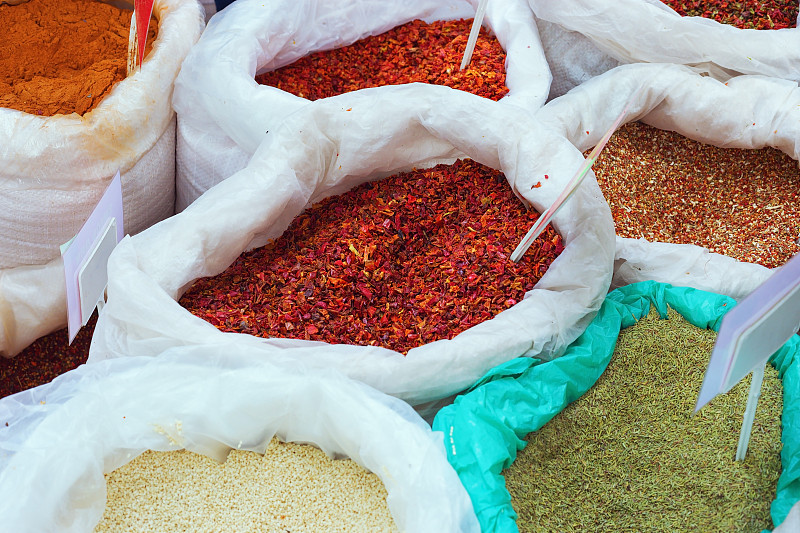
Seasonings and spices look simple. A few bags of powder or dried herbs. For ocean freight from China to the USA, though, the product form, the label information and the packaging seal decide whether the cargo arrives in sellable condition. This review walks through what to check before you book, so your forwarder gets a clean, ready-to-ship picture instead of a last-minute problem.
Start with the exact product form
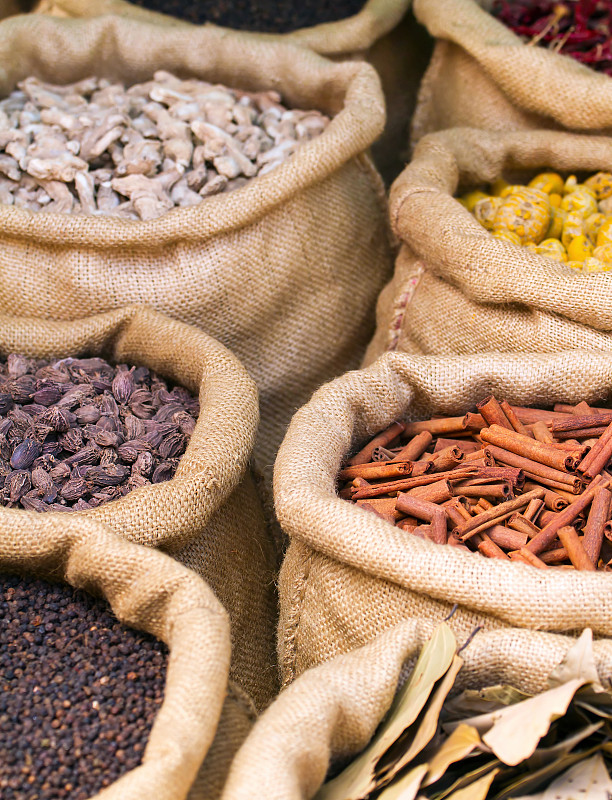
The first step is to name what you are actually shipping. Is it a whole spice, a ground powder, a crushed flake, or a blended seasoning mix? Each form behaves differently in a shipping container. Whole spices travel well in sturdy lined sacks. Fine powders need sealed, moisture-controlled packaging. A blended seasoning may carry ingredients that deserve a closer look at entry. Therefore, the importer should hold the full ingredient list before the vessel sails.
Weight and density also shape the freight quote. Heavy powders tend to charge by weight on LCL. In contrast, lightweight sacks of whole spices charge by volume. Send the per-carton gross weight and the outer dimensions. This way, your forwarder builds the quote on the real cargo, not on an estimate. If you are unsure of the chargeable basis, confirm it with your forwarder. Keep one sample of each product form aside at origin. You will find it far easier to settle a receiving question with a sample in hand. This beats waiting until the goods are already on the water.
| Product form | Typical packaging | Main shipping concern |
|---|---|---|
| Whole spices (seeds, sticks, leaves) | Lined sacks, kraft bags | Breakage and aroma transfer |
| Ground spices and powders | Sealed inner bags, drums | Moisture, caking, spillage |
| Crushed flakes and chili pieces | Sealed bags in cartons | Oil release and strong scent |
| Seasoning blends | Sealed pouches or jars | Full ingredient list and label check |
Labels and product information to confirm
Before dispatch, confirm that the product carries the information your US receiver and importer expect. That means the common or usual name, the net weight, the ingredient list, and the country of origin. For retail packs, finish the label before the cargo reaches the port. Otherwise, relabeling overseas adds time and cost you would rather avoid.
Keep batch codes and expiry dating readable on the outer cartons, not only on the retail pack. Warehouses and fulfillment centers read the carton first. A code you hide or rub off creates questions at receiving and can slow the handover. If you split the same lot across several cartons, keep the dating identical on every one.
Shelf life, expiry and the sealed bag
Spices lose aroma slowly, but they pick up moisture and outside odors quickly. The review should confirm that you fully seal every inner bag or drum before palletizing. A broken seal lets humid ocean air in, and a damp spice cakes or takes on off-flavors. If you can, smell a sample at origin. A sharp, clean aroma is a good sign; a musty or flat smell is not.
Check the remaining shelf life against your planned arrival. Ocean transit from China adds weeks before the goods reach the US door. After that, you need enough life left for the receiver to store, list, and sell. If you ship into Amazon FBA, confirm the current Amazon Seller Central policy for minimum remaining shelf life and expiry label size. Amazon sets those rules, and they can change over time.
Your pre-shipment review checklist
Use a short checklist before you release the cargo. Confirm the product form and the full ingredient list. Confirm the finished label and that carton codes are readable. Confirm the sealed condition of every inner bag, and the strength of the cartons and pallet for LCL handling. Send the forwarder the carton count, the outer dimensions, the gross weight and the delivery ZIP so the quote and booking line up with the real shipment. When anything is uncertain about fees, timing or local charges, confirm with your forwarder rather than guessing.
Frequently asked questions
Can seasonings and spices ship in LCL?
Yes, when they are sealed, cartoned and palletized for shared-container handling. Fine powders should be doubly bagged, and the storage condition should be reviewed at the enquiry stage.
Who is responsible for FDA filings on spices?
FDA filings and FSVP are the responsibility of the US importer of record. The forwarder coordinates the freight-side documentation and filings with the importer.
What if a bag arrives open or damp?
Photograph it on receipt and raise it with the forwarder and supplier. The best protection is a sealed inner bag, a dry origin warehouse and clear stretch wrap before loading.
Do I need a certificate of analysis for spices?
It depends on the importer and the receiving buyer. Ask your importer which records they expect from each supplier, and keep the documents together with the shipment.
Related reading
Plan your shipment
Start with your product details and delivery ZIP code. Request a freight quote.