
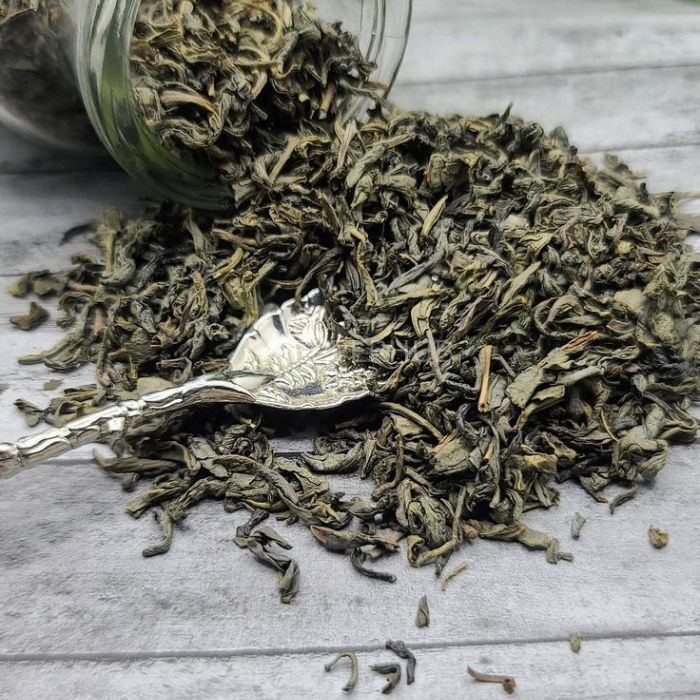
Tea is one of the most sensitive common cargoes on a China-to-USA ocean leg. It absorbs moisture quickly, picks up smells easily, and loses its aroma the moment either one gets inside the bag. A West Coast voyage runs about 13–21 days port-to-port. An East Coast voyage runs about 25–35 days. That gap is long enough to damage a poorly packed carton. The good news is that you can solve most tea freight problems before the container leaves origin. You do this through how you pack, seal, and load the product. This guide covers the operational side: inner packaging, desiccant, aroma separation, storage, and container handling. As a result, your tea arrives the way it left the factory.
Why tea is hard on an ocean voyage
A sealed shipping container is not a dry room. Air inside heats and cools with the day. Meanwhile, moisture that enters with the cargo condenses on cooler walls and cartons — the effect exporters call container rain. LCL shipments face an extra step. Your cartons share a container with other cargo, then wait through consolidation at origin and deconsolidation at destination. At each extra touchpoint, handlers may open, restack, or expose a carton to humid air. The product itself amplifies the problem. Dry tea leaves are hygroscopic, meaning they pull water vapour from the surrounding air. In addition, they act like a sponge for any strong odour nearby. That is why packaging decisions are freight decisions, not just product decisions.
Moisture protection: inner bag, seal and desiccant
The outer export carton keeps the shape; it does not keep the water out. Moisture protection happens in layers, starting against the leaf itself. A foil or metallised inner bag is the baseline because it blocks water vapour far better than plain paper or thin plastic. You must seal the bag instead of merely folding it, and you should check the seal before cartoning. Desiccant sachets are standard practice for premium and scent-sensitive tea. Your packer should place them inside the inner bag at the rate they already follow for export stock. Close outer cartons with tape across all seams. Also, wrap palletised loads to keep cartons dry and stable through handling.
| Layer | Material choice | What it protects against |
|---|---|---|
| Inner bag (against leaf) | Foil or metallised sealable bag | Water vapour, oxygen and light |
| Seal | Heat-seal or strong zip, checked before cartoning | Humid air getting back in |
| Desiccant | Food-grade sachet inside the inner bag | Residual humidity absorbed in transit |
| Outer carton | Taped, sealed export carton | Handling damage and surface moisture |
| Pallet wrap | Stretch film around the pallet | Dust, damp and carton shift |
Aroma protection: keep strong smells away
Tea does not only lose its own aroma — it borrows other people’s. Green tea, jasmine, and white tea absorb other smells especially quickly. They pick up the scent of coffee, spices, detergents, scented candles, rubber, and even the ink on fresh cardboard. In LCL this matters most, because you cannot choose what else is in the container. Two practical rules help. First, keep tea cartons away from strongly scented cargo on the packing list. Also, tell your forwarder the cargo is tea at the enquiry stage, so loaders can place it sensibly. Second, use a sealed barrier inner bag, not porous paper, so the leaf never meets the air inside the carton. Blank, unprinted food-grade cartons also avoid the solvent smell of fresh ink, which is a common and avoidable source of off-flavour.
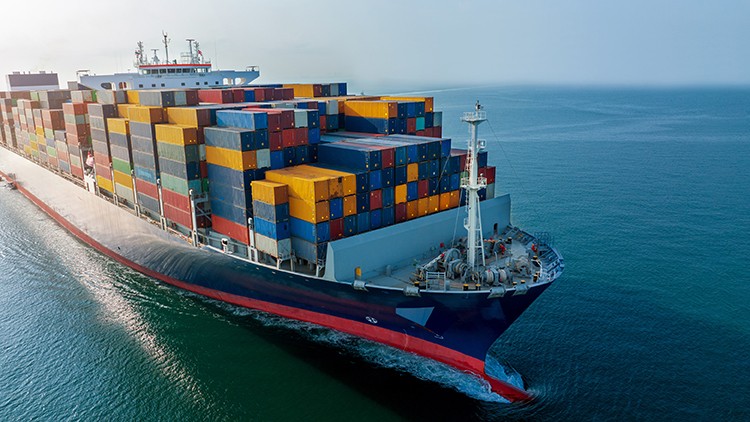
Storage and container notes before dispatch
Protection starts at the origin warehouse. Cartons should wait in a dry, covered room, not on the open dock, and the pallet should be raised off the floor. When the container is packed, ask that it be clean, dry and odour-free before loading – a container that previously held fish meal, spices or chemicals can transfer a smell through the whole shipment. Floor-loaded FCL cartons should still be palletised or braced so nothing shifts in a seaway; around 15 CBM is the rough starting point where FCL usually becomes worth comparing against LCL. Build the transit time into the plan: West Coast FCL runs about 13-21 days, East Coast about 25-35, and LCL adds roughly 3-7 days at each end. Confirm the current schedule with your forwarder for the sailing week you book, and have the US receiver store the cartons in a dry warehouse on arrival.
Frequently asked questions
Can tea ship in LCL?
Yes, when it is sealed in foil inner bags inside taped cartons and clearly declared as scent-sensitive cargo. LCL adds handling touches, so the packaging has to do more work.
Should I add desiccant to every carton?
For scent-sensitive and premium tea, yes. Your packer will already use an export dosage; confirm it is applied to stock destined for ocean freight rather than local sale.
What should I tell the forwarder before booking?
Say the product is tea, give the carton dimensions and weights, and ask that the cargo be kept away from strong-smelling goods and packed into a clean, dry container.
Related reading
Plan your shipment
Start with your product details and delivery ZIP code. Request a freight quote.